Texas Workers Comp: Why Your Business Needs Coverage Even Though It's Optional
Texas Is Different: Workers Comp Is Optional
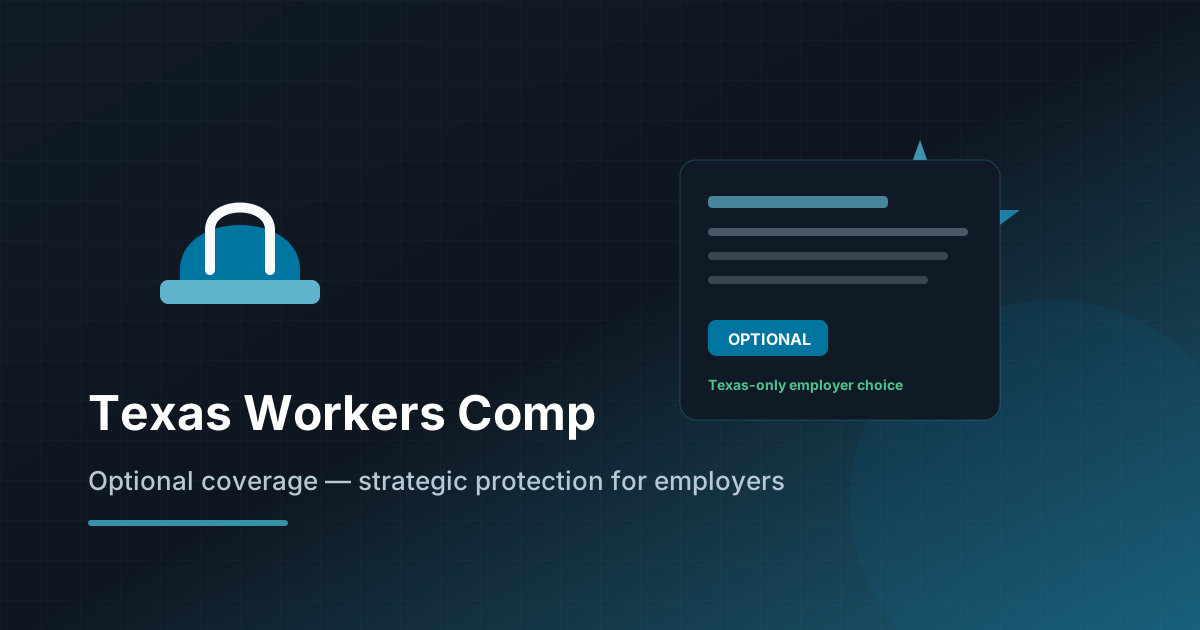
In 49 out of 50 states, workers compensation insurance is mandatory for employers. Texas is the exception. Under the Texas Workers Compensation Act, private employers are not required to carry workers comp coverage. This makes Texas unique in the entire country — and it creates a decision that every Texas business owner must make.
The choice seems simple on the surface: buy the coverage or save the premium. But the reality is far more complex, and the consequences of going without coverage can be devastating.
What Happens When You Don't Carry Workers Comp in Texas
Employers who opt out of workers compensation coverage are called non-subscribers. While non-subscription eliminates the premium cost, it also eliminates the legal protections that come with carrying coverage. Here is what non-subscribers face:
Loss of Legal Defenses
When an employer carries workers comp in Texas, the system provides a no-fault framework. Employees receive medical care and wage replacement benefits regardless of who caused the injury, and in return, employers are generally protected from employee lawsuits over workplace injuries.
Non-subscribers lose these protections entirely. If an employee is injured on the job, they can sue the employer directly in civil court. And here is the critical part: the employer cannot use the traditional legal defenses of contributory negligence, assumption of risk, or fellow-employee negligence. The playing field is tilted heavily against the employer.
Unlimited Financial Exposure
Workers compensation claims are capped by the state's benefit schedule. Non-subscriber lawsuits have no such caps. Jury verdicts in Texas workplace injury cases routinely reach six and seven figures. A single serious injury — a fall from height, an amputation, a vehicle accident — can result in a judgment that bankrupts a small or mid-sized business.
Regulatory Requirements
Non-subscribers are not free from obligation. Texas law requires non-subscribers to report their status to the Texas Department of Insurance, notify employees in writing that they do not carry coverage, and file annual reports. Failure to comply with these requirements carries penalties.
Why Most Texas Employers Carry Coverage Anyway
Despite workers comp being optional, the majority of Texas employers choose to carry coverage. Here is why:
Predictable Costs
Workers comp premiums are a known, budgetable expense. They are based on your payroll, industry classification code, and experience modification rate. Contrast this with the unpredictable exposure of a non-subscriber lawsuit, where a single claim can exceed the cost of years of premium payments.
Employee Recruitment and Retention
Employees in industries like construction, manufacturing, and transportation understand workplace risk. They want to know that if they get hurt, their medical bills will be covered and they will receive wage replacement. Businesses that carry workers comp have a competitive advantage in hiring and retaining skilled workers.
Contract Requirements
Many general contractors, project owners, and government entities require proof of workers compensation coverage as a condition of doing business. If you are a subcontractor or vendor, going without coverage can disqualify you from contracts — which means lost revenue that far exceeds the premium savings.
Protection for Your Business
Workers compensation is, at its core, a liability management tool. It caps your exposure to workplace injuries at a predictable premium cost. Without it, every workplace injury is a potential business-ending event. For most employers, the math strongly favors carrying coverage.
How to Make Workers Comp Affordable in Texas
The objection most employers raise is cost. Workers comp premiums — especially for high-risk industries like roofing, trucking, or staffing — can be substantial. But the premium is not fixed. There are proven strategies to significantly reduce what you pay:
Medical Direction
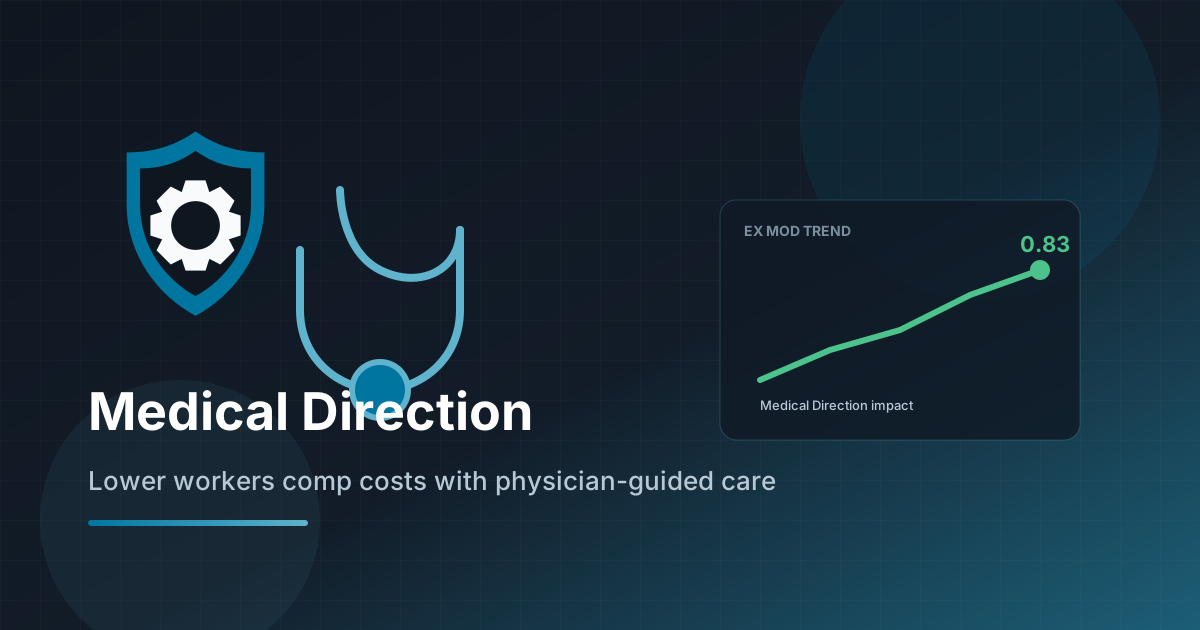
The most impactful strategy for reducing workers comp costs is Medical Direction. By directing injured employees to occupational medicine providers and actively managing every claim, Medical Direction reduces claim costs and drives your mod rate down. Companies participating in our program routinely achieve 20-40% premium savings.
Experience Modification Rate Optimization
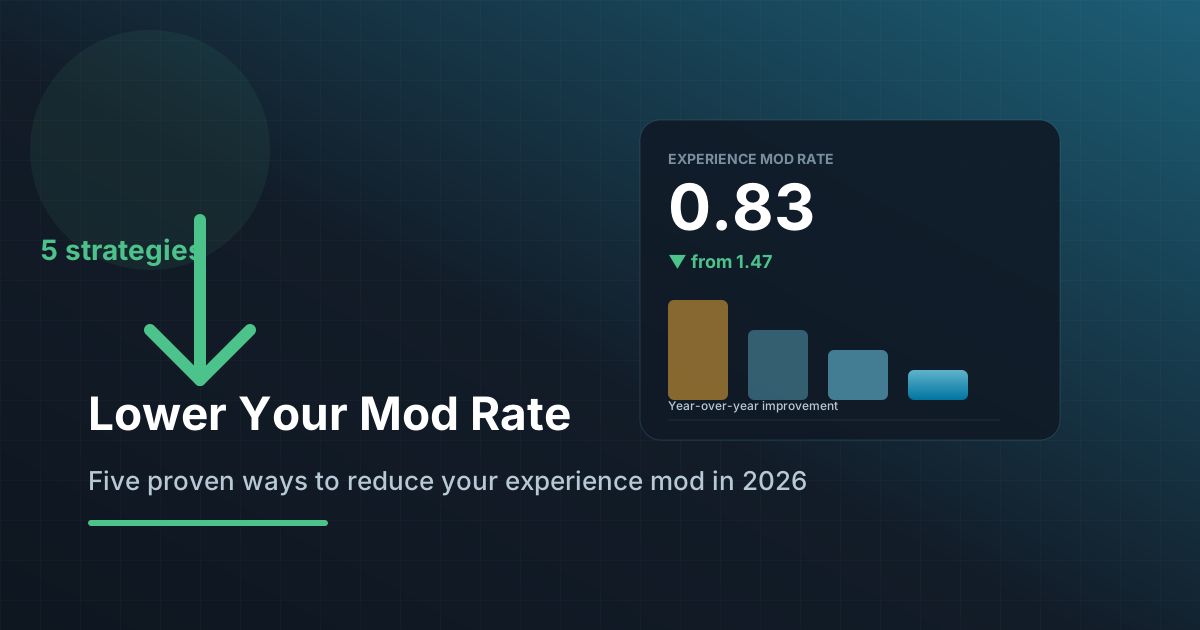
Your mod rate is the single biggest lever on your premium. A mod rate above 1.0 means you are paying more than the average for your industry. Through our Ex Mod Reduction Program, we systematically lower your mod rate by managing claims, reducing reserves, and implementing safety programs.
Return-to-Work Programs
Getting injured employees back to productive work — even in a light-duty capacity — reduces indemnity costs and demonstrates to rating bureaus that your company manages claims effectively.
Safety and Loss Control
The most cost-effective workers comp strategy is prevention. Workplace safety programs, job hazard analyses, and regular training reduce the frequency and severity of injuries. Fewer injuries mean fewer claims, and fewer claims mean a lower mod rate and lower premiums.
The Bottom Line for Texas Business Owners
Just because Texas does not require workers compensation does not mean your business does not need it. The financial risk of going without coverage far outweighs the premium cost for most employers. And with the right strategy — including Medical Direction, mod rate optimization, and proactive risk management — workers comp can be surprisingly affordable.
If you are a Texas employer evaluating your workers comp options, we can help. Start with a free Ex Mod review to understand where you stand, or contact us to discuss your specific situation.
Get a Free Workers Comp Quote
See how Medical Direction can lower your mod rate and reduce your workers comp costs.
Get Your Free Quote